
What People Actually End Up Appreciating Most When They Travel
The things travelers appreciate most aren't usually what they planned for. The pattern is consistent enough to be useful—and it changes how smart people plan trips.
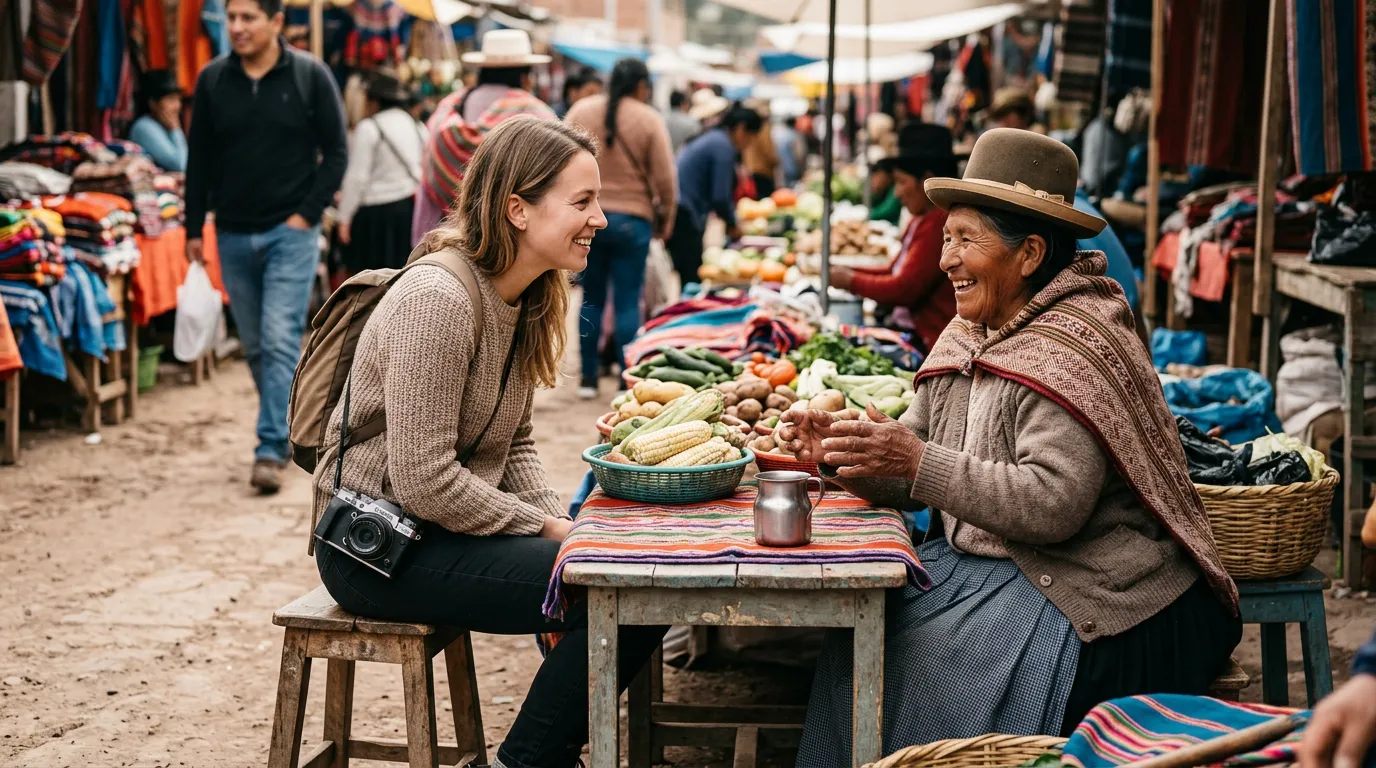
Ask someone about a trip they took three years ago and ask them specifically what they remember. The painting they traveled to see? Sometimes. The meal they read about in advance and planned around? Occasionally. More often: a conversation with someone on a train, the specific quality of a morning in an unfamiliar city, the afternoon that had nothing scheduled and went somewhere unexpectedly well. The attraction was the reason for the trip. The unplanned thing is what the trip became.
This isn't random. The gap between what travelers plan for and what they end up valuing is consistent enough across large surveys and smaller qualitative accounts to constitute a pattern worth understanding. It affects what you should optimize for in trip planning—and what you should be willing to leave unoptimized.
The tension: trip planning is most effective at optimizing for the planned experience, and the planned experience is the smaller part of what makes travel valuable. Most of the value lives in the conditions the planning creates, not the events it schedules.
Why the Accidental Highlights Win
Memorable experience requires effortful attention—being genuinely present with what's happening rather than managing through it. The planned attraction often fails this test not because it's bad, but because the visitor arrives with a fully formed model of what they're about to experience (built from photographs, reviews, and anticipatory imagination), and the actual experience is processed partly through that existing model rather than fully encountered fresh. The attention is split between perceiving and comparing.
The unplanned experience arrives without a model. You encounter it in real time, without the buffer of expectation, and you either engage with it or you don't. The ones you engage with are fully present experiences—the entire encounter is new—and that newness creates the conditions for the kind of effortful attention that generates memorable experience.
There's also a role of agency and discovery. Research on psychological ownership and autonomy suggests that experiences you found yourself—that you arrived at through a decision made in the moment rather than a plan made in advance—generate stronger attachment and more positive attribution than experiences delivered by an itinerary. The discovery credit matters. "We ended up there" is a more satisfying travel story than "we had a reservation."
The Specific Things That Consistently Get Remembered
Local food in informal settings. Not the restaurant selected from a curated list, but the place you went because it was where people were eating when you were hungry and nearby. The specific ordering context, the particular room, the brief interaction with the person who brought the food—these are richly encoded because they were fully novel and required real-time social navigation. The planned restaurant was good. The accidental one has a story.
Weather and light at specific moments. The morning fog that lifted over a harbor. The late-afternoon light hitting a street at an angle that made everything look painted. These are purely atmospheric and impossible to plan, which is precisely why they stand out against the curated backdrop of the planned itinerary. They happened to you rather than being chosen by you, which places them in the category of experience rather than consumption.
Conversations with locals that went past the transactional. The taxi driver who had opinions about local politics. The person at the bar who told you something specific about the neighborhood's history. The shop owner who explained what they were making. These interactions are common in certain places and nearly impossible in others, and the places that allow them are systematically undervalued by content that focuses on attractions.
What you'll notice when you reflect on a few of your most clearly remembered travel experiences is that almost none of them were the most expensive or most planned element of the trip. That's not a reason to stop planning. It's a reason to plan for the conditions that allow the accidental highlights to happen.
What to Optimize for Instead
Plan for access rather than experience. The planned element of the trip creates access—to a neighborhood, a city, a region, a season. The experience happens within that access. Optimizing the planning layer means choosing the right access point for the kind of experience you want, not filling every slot within that access with pre-determined content.
Leave meaningful time unaccounted for. Not scheduling gaps between scheduled things—genuinely open time with no default activity queued. Two to three hours per day in a location worth walking around is the minimum for accidental highlights to be possible. Half a day is better. A full unscheduled day in a well-chosen place is frequently the most reported highlight of longer trips.
Prioritize the conditions for human interaction: locally operated accommodation, meals in places where regular customers also eat, neighborhoods where the activity on the street is generated by residents rather than visitors. These are harder to find in the most heavily visited places at peak times, which is one of the better arguments for choosing slightly less prominent destinations or visiting prominent ones in shoulder season. The conditions that produce memorable experience are genuinely more accessible when the ratio of visitors to residents is lower.